The Allure of Sound and Lighting
Casinos are designed to engage all the senses, but sound and lighting play particularly crucial roles in enticing players. The rhythmic sounds of slot machines, the clinking of chips, and the cheers from nearby tables all create an atmosphere of excitement. These auditory cues not only grab attention but also enhance the perception of winning, making players feel more positive and inclined to continue playing. For those interested in maximizing their experience, researching boxing betting sites can provide insights into various gambling strategies.
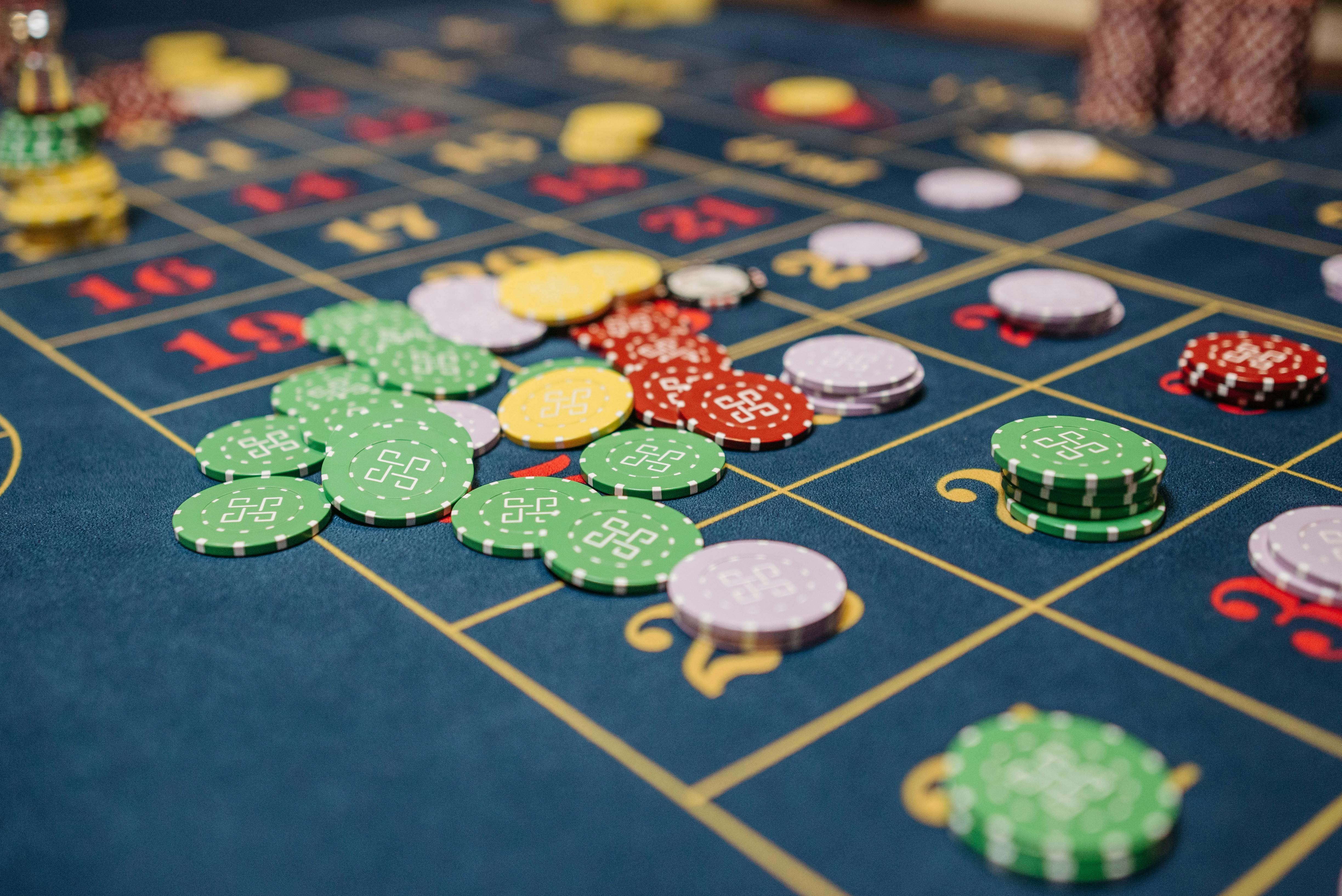
Lighting is equally important; colorful and dynamic lights create a visually stimulating environment that draws players in. Casinos often use bright lights to highlight machines with recent jackpots or significant wins, further encouraging players to try their luck. This sensory overload can make it difficult for individuals to gauge the time spent gambling, leading to extended gaming sessions.
Variable Rewards and the Gambler’s Fallacy
One of the primary psychological tricks employed by casinos is the concept of variable rewards. This principle is rooted in behavior psychology; players are more likely to return when wins are unpredictable. The occasional big win can create a dopamine rush that reinforces gambling behavior. It’s this unpredictable nature of outcomes that keeps players hopeful and engaged, often leading them to chase losses. Understanding these elements can be crucial for those who engage in gambling.
The gambler’s fallacy also plays a significant role in this context. Many players believe that if a certain outcome has occurred frequently, it is due for a change. This misconception can lead individuals to gamble more, thinking they are due for a win. By leveraging these psychological tendencies, casinos create an environment that encourages repeated play and prolonged engagement.
Freebies and Comp Programs
Casinos often implement comp programs that reward loyal players with freebies, from complimentary meals to hotel stays. These incentives create a sense of loyalty and make players feel valued, which can lead them to play longer in hopes of gaining more rewards. The psychological principle at play here is reciprocity; players feel a need to return the favor by continuing to wager, hoping to earn further benefits.
Additionally, offering free drinks while gambling enhances the experience and lowers inhibitions, which can lead to increased betting. By creating a perception of value through these extras, casinos effectively encourage players to stay longer and spend more, all while enjoying the perks of their loyalty.
The Layout and Design of Casinos
The physical layout of casinos is meticulously designed to maximize player engagement. By placing machines close together and avoiding windows and clocks, casinos create a disorienting environment that makes it easy for players to lose track of time. This design strategy encourages extended play, as players can easily become immersed in their gaming experience without realizing how much time has passed.
Moreover, the arrangement of games is often intentional, with high-stakes tables located near the entrance and slot machines placed strategically throughout. This encourages foot traffic and increases the likelihood that players will transition from one game to another, extending their stay in the casino. The overall design fosters an environment that prioritizes gambling and reduces distractions from the outside world.
Our Commitment to Responsible Gambling
At our website, we are dedicated to promoting awareness about the psychological tricks used in casinos and the importance of responsible gambling. We believe that understanding these tactics can help players make informed decisions and recognize when it’s time to step back. Our resources aim to educate individuals about the risks associated with gambling while providing supportive information for those who may need help.
Your awareness and understanding are first steps towards a healthier relationship with gambling. If you or someone you know is struggling, we encourage seeking help. Remember, enjoying gambling responsibly is key to having a positive experience.